
Table of Contents
The Rise of Intelligent Interactive Panels in Education

In recent years, the education sector has made tremendous strides in incorporating technology, particularly interactive displays, into learning environments. Among these advancements, intelligent interactive panels have gained significant attention for their potential to revolutionize classroom dynamics. By integrating these cutting-edge tools, schools and colleges can create more engaging, interactive, and efficient learning experiences. This blog post delves into the world of intelligent interactive panels, exploring their benefits, applications, and the profound impact they are poised to have on educational institutions ranging from primary schools to universities.
The Emergence of Intelligent Interactive display

Gone are the days when chalk and blackboards were the mainstays of the classroom. In the digital age, interactive panels have emerged as powerful tools that not only display information but also allow teachers and students to interact with content in real-time.
Intelligent interactive panels are essentially large touchscreen displays that offer a wealth of functionalities, from accessing internet resources to running educational software and facilitating collaborative work. They represent a leap forward in educational technology, providing a platform that supports a wide range of learning styles and activities.
Key Benefits of Implementing Interactive display
Adopting intelligent interactive panels in classrooms comes with a myriad of advantages. Let’s explore some of the key benefits they bring to the educational landscape:
Enhanced Engagement and Participation
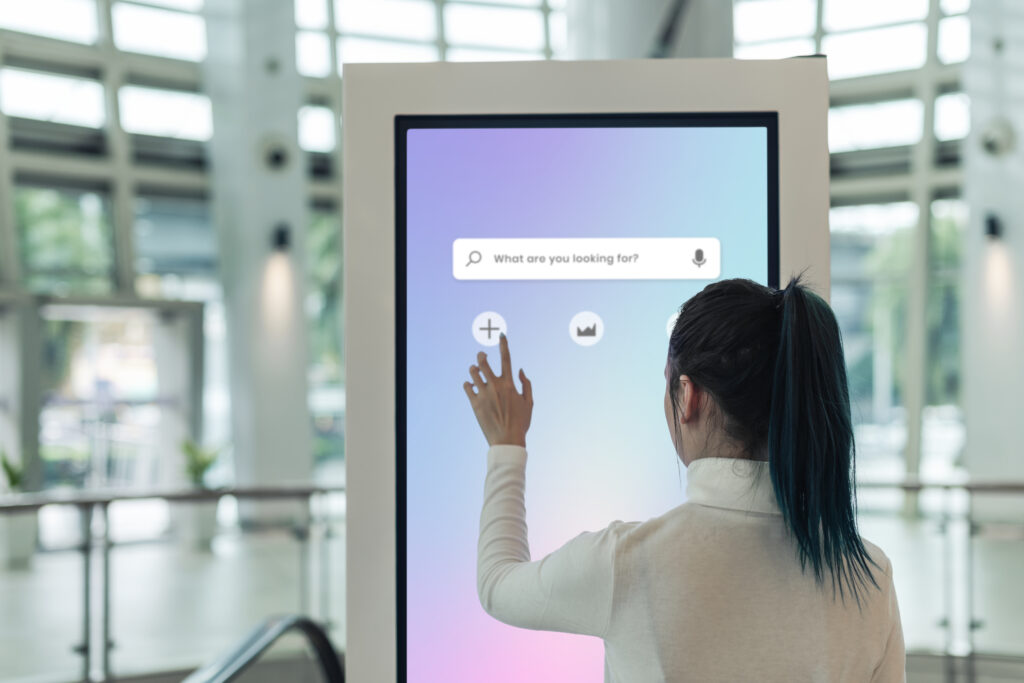
Interactive panels have a unique way of captivating students’ attention, making lessons more engaging and interactive. By involving students in the learning process, teachers can foster greater participation and ensure that content is absorbed more effectively.
Accessibility and Diversity

These panels support diverse learning needs by accommodating different teaching methods and learning styles. Whether it’s visual, auditory, kinaesthetic, or a combination of these, interactive panels can be tailored to suit individual preferences, making education more inclusive.
Streamlining Resources and Content
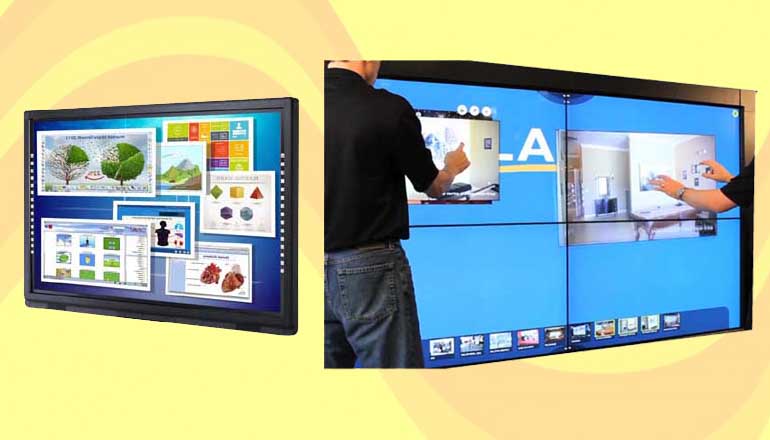
One of the major advantages of intelligent interactive panels is the ease with which teachers can access and present educational materials. From online resources and educational apps to custom-made presentations, these panels serve as a one-stop-shop for instructional content.
Encouraging Collaboration
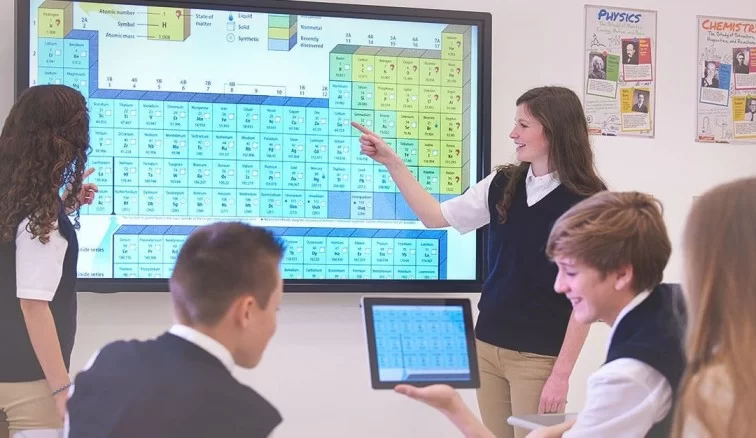
Interactive panels are excellent tools for promoting teamwork among students. With features like multi-touch screens and shared workspaces, students can collaborate on projects, share ideas, and provide feedback in real-time, all of which are essential skills in today’s world.
Practical Applications in the Classroom
The potential applications of intelligent interactive display in education are vast and varied. Here are a few ways these innovative tools are being used to enhance learning:
Interactive display Lessons and Presentations
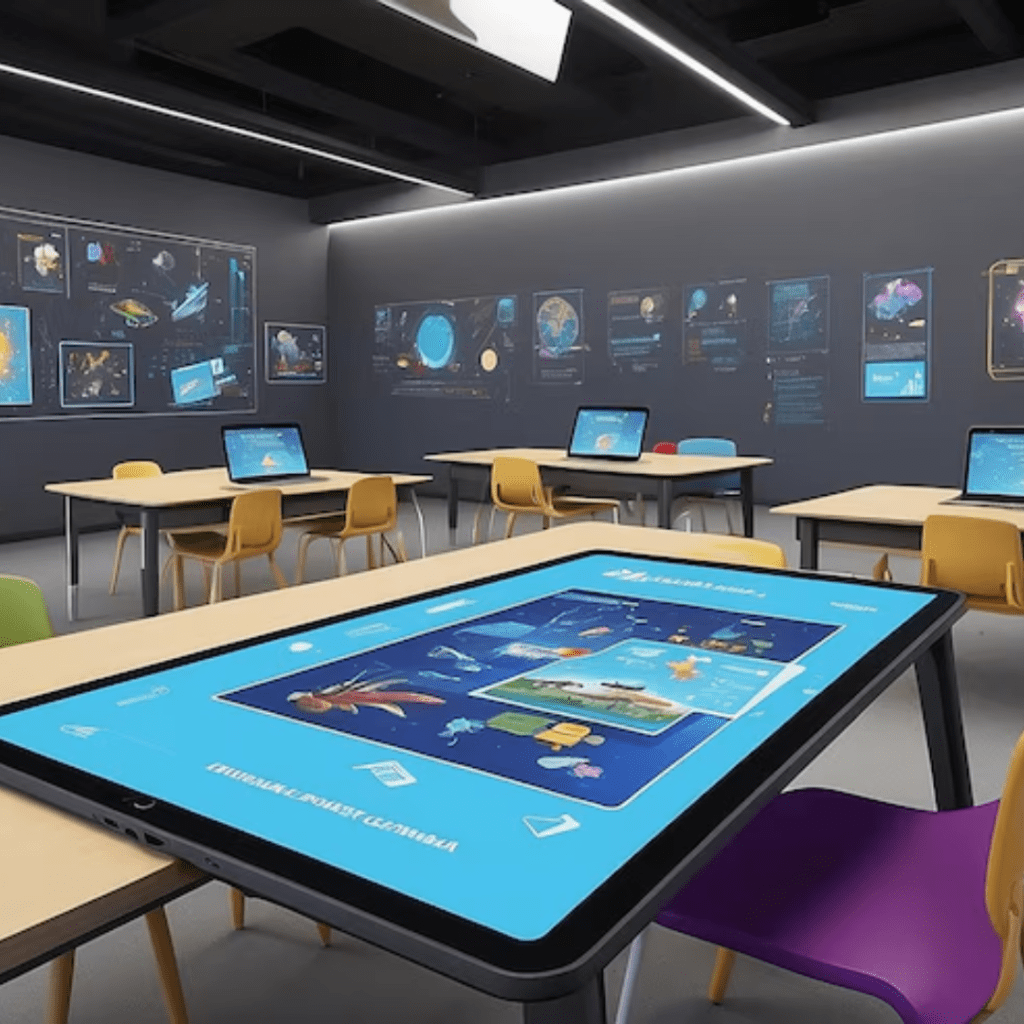
Teachers can create dynamic, multimedia presentations that include videos, animations, and interactive quizzes. This not only makes the content more appealing but also caters to various learning preferences.
Virtual Field Trips
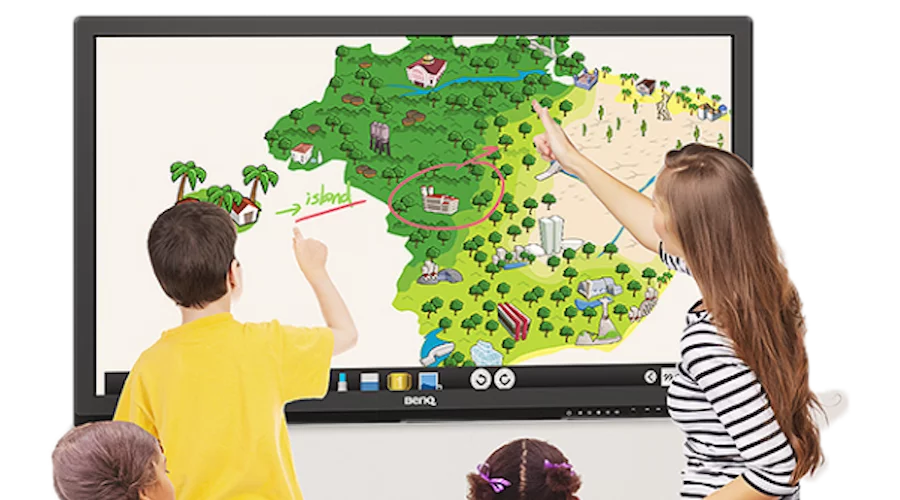
Imagine taking your students on a journey to the pyramids of Egypt or the depths of the ocean without leaving the classroom. Interactive displays make this possible through virtual field trips, providing immersive learning experiences that would otherwise be inaccessible.
Real-Time Feedback and Assessments

With interactive panels, teachers can conduct quizzes and polls in real-time, allowing for instant feedback. This immediate evaluation helps in identifying areas where students may need extra support.
Collaborative Problem-Solving
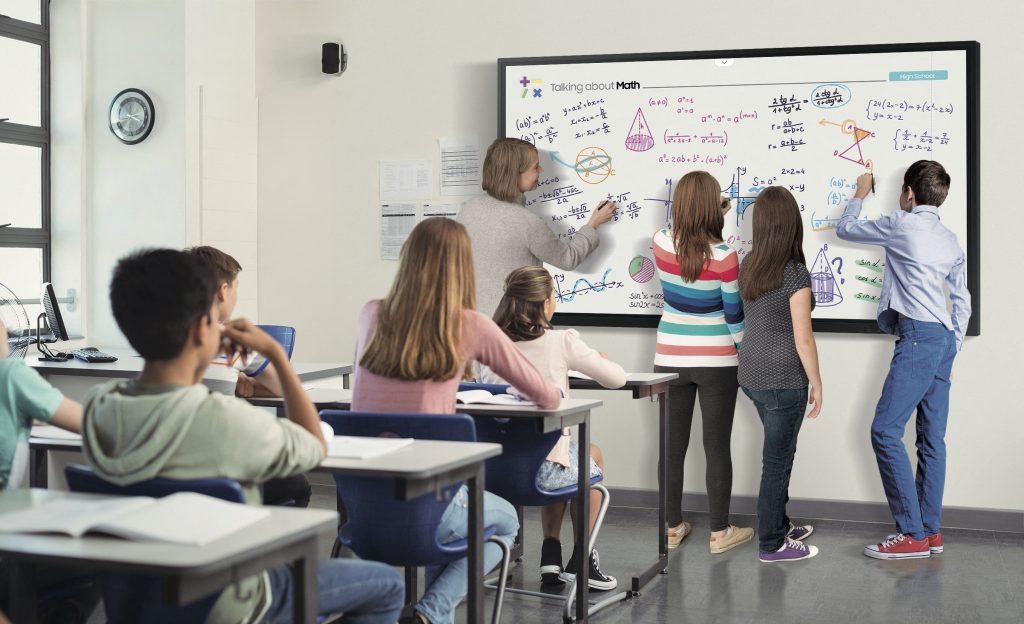
By enabling students to work together on a shared screen, interactive panels facilitate collaborative problem-solving activities. This not only enhances understanding of the subject matter but also develops teamwork and communication skills.
Future Prospects and Challenges
While the benefits of integrating intelligent interactive panels in education are clear, there are also challenges to consider. Among these are the initial costs of installation, the need for ongoing technical support, and the requirement for teacher training to effectively incorporate these tools into their teaching methods.
Despite these hurdles, the future of intelligent interactive panels in education looks promising. As technology continues to evolve, so too will the capabilities of these panels, opening up even more possibilities for enhancing learning outcomes.
Conclusion
The integration of intelligent interactive panels into educational settings marks a significant milestone in the evolution of teaching and learning. By providing an interactive, flexible, and engaging platform, these tools have the potential to transform traditional classrooms into dynamic learning environments.
As we move forward, it’s essential for schools, colleges, and educational professionals to embrace these advancements and explore the ways in which they can enrich the educational experience. Through thoughtful implementation and continuous innovation, intelligent interactive panels are set to shape the future of education, one interactive lesson at a time.
From fostering engagement and inclusivity to facilitating collaboration and making learning more accessible, the benefits of these panels are manifold. As with any technological adoption, challenges exist, but the rewards— a more immersive, effective, and enjoyable learning experience for students — are undeniably worth the effort.